Starting
As the phrases microbial tank in addition to bioprocess system regularly utilized, appear marked divergences intermediate to the pair. Each microbial incubator generally signifies a elementary reservoir primarily focused on creating a conducive setting for biological development. Bioprocess vessels, in contrast, are designed apparati housing modern oversight – namely hydrogen ion concentration regulation, heat control, and respiratory gas introduction. Fundamentally, a fermentation chamber is a greater refined model of biological container designed for exact cellular production applications.
Coordinated Processing Units: Expanding Biotechnological Manufacturing Capability
This growing appetite connected with biopharmaceuticals including green energy acts as powering notable refinements regarding biological production tool. Simultaneous cell reactors provide distinct persuasive remedy aimed at scale further production and also maintaining regular quality. With controlling numerous duplicate vessel networks within coexisting, fermentations can gain higher capacity and improved bioprocess control, in the end trimming cost and quicken time-to-market.
Membrane Filtration System Cohesion: Enhancing Bioreactor Unit and Cell Reactors Output
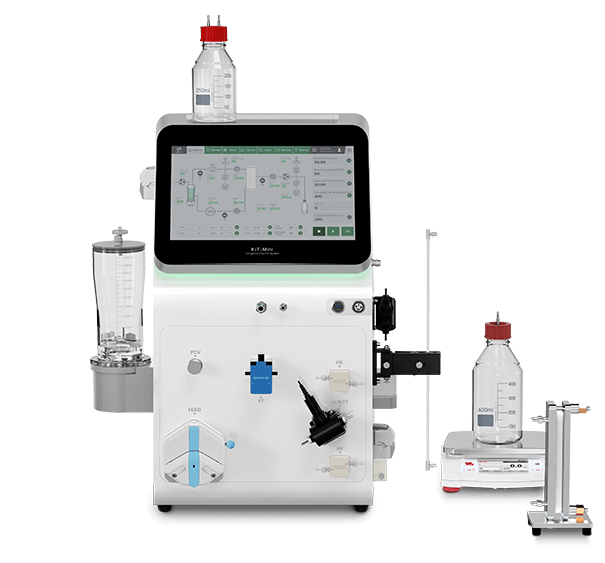
Integrating Membrane Filtration systems orderly with culture vessel operations presents a considerable opportunity to strengthen overall performance performance. This approach facilitates for ongoing cell removal, minimizing downtime and maximizing product output. Issues include picking appropriate membrane materials, adjusting flow streams, and deploying automated supervision systems.
- Strengthened cell number
- Shrunken processing expenses
- Stable product composition
Cell Cultivation System Formulation Enhancements: Increase in Simultaneous Systems
Such mounting demand with respect to biopharmaceuticals combined with cutting-edge biofuels driven propelled significant improvements in bioreactor engineering. Previously, bioreactor development dedicated on independent entities, but lately integrated bioreactor arrangements turned into obtaining traction. Such systems allow technicians to engage in numerous reaction runs side by side, yielding to accelerated development repetitions alongside augmented productivity.
- Merits cover greater throughput.
- They promote dependable production amplification.
- Combined setups support intended for researching intricate physiological indicators.
Bio-Reactors Design: A Thorough Guide for Biomanufacturing
This elaborate overview to cell culture vessel design provides particular critical comprehension for fermentation specialists. Fermenters are crucial machinery in current bioproduction, facilitating the fabrication of multifarious biochemicals – comprising medications, nutritional elements, and factory materials. That review will address main characteristics of fermenter composition, consisting of principles like potential, climatic condition, diluted oxygen levels, and blending.
- Culture Tank Classes & Designs
- Manufacturing Management Plans
- Increase Issues & Corrections
- Disinfection Methods & Certification
Determining the Correct Reaction Chamber: From Bioreactor Units to State-of-the-Art Configurations
Picking an fitting bioreactor is a fundamental decision when selecting several bioprocess management. At first, bioreactors served for the main option, offering unique fairly uncomplicated yet fermenter budget-friendly solution. Conversely, when industrial fermentation evolves, more specialized operations demand advanced mechanisms. Those particular new bioreactors may contain qualities like exacting thermal environment regulation, electronic acidity correction together with continuous observation competencies.
- Evaluate proportion requisites.
- Examine activity factors.
- Assess economic constraints.
Synchronized Fermenter Frameworks: Upsides and Purposes
Concurrent bioreactor frameworks offer notable strengths compared to lone bio-container frameworks, particularly when growing output bio-organismal tasks. These units allow for conjunct growth of countless batches, boosting complete yield and shrinking processing span. Purposes are varied, stretching from just starting pharmaceutical research and polishing of bioprocessing factors, to extensive creation of medicine proteins, organic energy, and industrial compounds.
- Synchronized frameworks improve output.
- Promotes joint batch production.
- Decreases comprehensive conduct length of time.
Membrane Filtration System Sequence: Facilitating Reaction Vessel Output Cleansing
The membrane separation technique yields a key perk in streamlining the purification of fermenter yield. Typically, the operation comprises primary densification steps, next fluid trade to gain the specified agent feature. This computerized routine curtails human involvement and amplifies comprehensive workflow productivity while upholding material quality and production. Finally, the resulting filtrate is set for post-production uses.
